
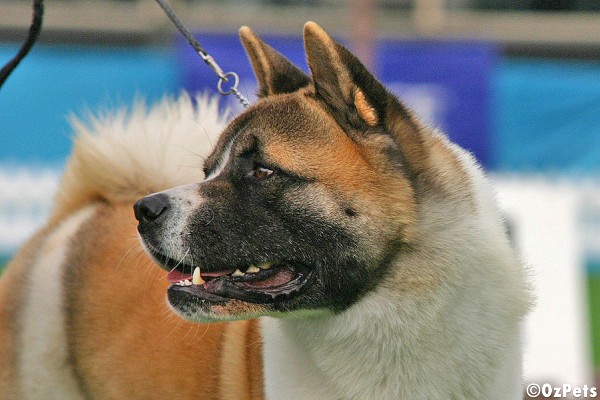
The Akita
The Akita is a large and powerful dog breed originating from the northern, mountainous regions of Japan. Known for its loyalty, intelligence, and dignified nature, the Akita has captured the admiration of dog lovers worldwide. Today, it stands as a symbol of devotion and strength — qualities that make it both fascinating and deeply rewarding for experienced dog owners.
Origins and History
The Akita's history stretches back hundreds of years to Japan's Akita Prefecture, where the breed was developed as a versatile working dog used for hunting large game such as boar, elk, and even bears. Over time, the Akita became a symbol of nobility and courage, often kept by samurai families and regarded as a guardian of home and hearth.
After World War II, American servicemen brought Akitas home from Japan, which led to the development of a second, distinct variety — the American Akita. Today, there are two recognised types of Akita worldwide:
- Japanese Akita (Akita Inu): Elegant, fox-like features, almond-shaped eyes, and a narrow range of traditional coat colours (red, brindle, sesame, and white).
- American Akita: Larger, more robust build, broader head, and permitted in all coat colours including pinto and black mask patterns.
In most countries outside the United States, these two varieties are treated as separate breeds. In the U.S., they are recognised as one breed with two distinct styles.
The breed's enduring fame is tied to the real-life story of Hachikō, an Akita who waited faithfully for his deceased owner every day at Tokyo's Shibuya Station. His loyalty became a national legend and remains one of the most heartwarming tales in canine history.
Physical Characteristics
Akitas are strong, heavy-boned dogs with an impressive presence. They carry themselves with quiet confidence and a steady gaze that reflects their intelligence and independence.
- Height: 60-70 cm at the shoulder (varies by gender and type).
- Weight: 32-59 kg (average range).
- Coat: Short, dense double coat that provides insulation in both cold and warm climates.
- Tail: Thick and curled over the back, a signature trait of the spitz family.
Some Akitas are born with a longer coat due to a recessive gene. Though not eligible for conformation showing under most breed standards, long-coated Akitas are equally healthy and often prized for their striking appearance.
Temperament and Personality
Akitas are bold, independent, and deeply loyal to their families. They tend to be reserved with strangers but affectionate and gentle with those they know. Their quiet confidence and calm demeanour make them natural guardians without the need for excessive barking.
- Loyal and protective of their home and family.
- Alert and intelligent, often quick to learn routines.
- Independent thinkers, requiring patient and consistent training.
- Generally quiet, preferring to observe rather than react impulsively.
Akitas thrive under calm, confident leadership and benefit from early socialisation with people and other animals. While affectionate, they are not overly demanding — their devotion is expressed through presence rather than constant attention.
Health and Longevity
The Akita is generally a hardy and healthy breed, but like all purebred dogs, certain genetic conditions can occur. Responsible breeding and regular veterinary care are key to maintaining good health.
- Hip and elbow dysplasia
- Autoimmune disorders
- Hypothyroidism
- Progressive retinal atrophy (PRA)
The average lifespan of an Akita ranges from 10 to 13 years, with proper diet, exercise, and preventive care contributing to a long and active life.
Grooming and Coat Care
Akitas have a thick double coat that sheds moderately year-round and heavily during seasonal coat changes. Weekly brushing helps reduce loose fur and keeps the coat healthy. During shedding seasons, more frequent grooming may be needed.
Bathing should be occasional — typically every few months or when necessary — as excessive washing can strip the coat of its natural oils. Regular nail trimming, ear cleaning, and dental care round out their basic maintenance routine.
Exercise and Activity Levels
Though not overly energetic, Akitas require daily exercise to stay fit and mentally balanced. A combination of walks, structured play, and purposeful activities works best. They enjoy exploring outdoors but should always be kept on a lead or within secure fencing due to their strong prey drive.
Akitas also excel in obedience, tracking, and agility activities when trained with positive reinforcement and consistency.
Living with an Akita
The Akita's personality makes it best suited for experienced dog owners who appreciate a strong-willed, independent companion. They form deep bonds with their families and can be excellent with children when properly socialised and supervised.
While they can adapt to various environments, Akitas do best in homes with space to move and owners who understand their need for respect and structure.
The Akita's Enduring Appeal
Few breeds combine beauty, intelligence, and loyalty as seamlessly as the Akita. Whether in its native Japan or here in Australia, the breed continues to inspire admiration for its quiet dignity and unshakeable devotion.
To own an Akita is to share your life with a dog that embodies strength, grace, and a heart that will stand by you — no matter what.